
Natalie’s Story
Natalie tells us about her journey with anxiety and pain, to the turning point when she realised: “This isn’t my story”.
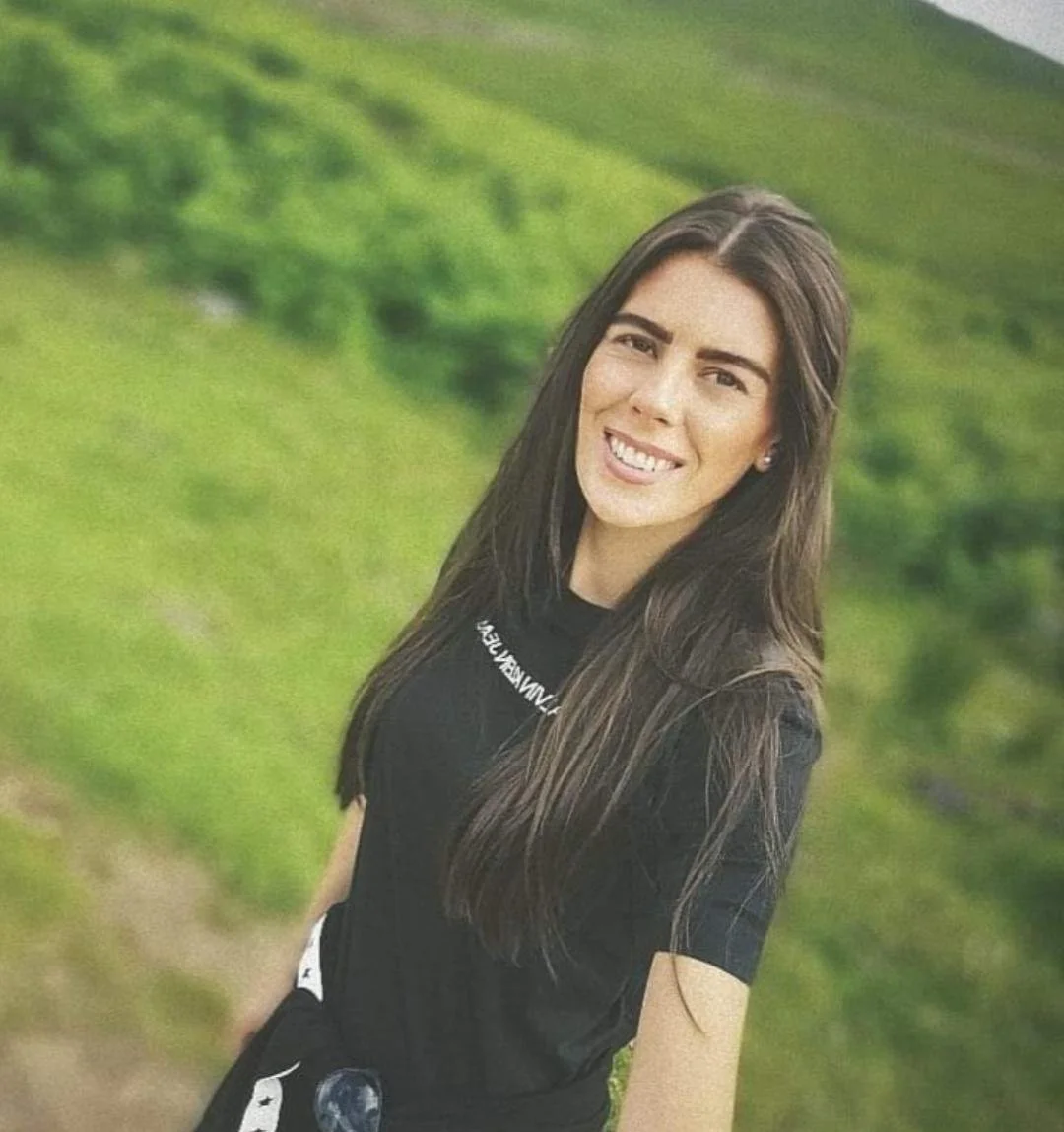
“At the age of 14, something happened that changed everything.
“I was in a car when a man came up with a crowbar and started smashing it in. Wrong place, wrong time- I didn’t know him, and I'll never know why we were targeted. Those questions remain unanswered.
“I remember a flight to Spain as a teenager, being gripped by an awful panic attack and running to the toilet, wanting to get off the plane. I was a very confident person up until then, but when I was on that holiday, I just couldn't do anything. I couldn't sit in restaurants or say hello to anyone, I just hid away from everything. And then this fear and anxiety just grew and grew and grew. I started avoiding things: exams at school, social situations, even doctor’s appointments.
“For two or three years I barely left the house at all. That was the scariest point for me. At the time I genuinely thought “this is my life now”, just being at home watching TV. A therapist even told me they'd be surprised if I ever worked again, and if I did, it would be from home.
“Then I met my husband. Watching the anxiety take over, he said something that changed everything: “instead of fearing your anxiety, why don't you just feel it and go through it?”.
“I used to walk the dog around the block, panic halfway, and run home- even though carrying on would've been the same distance back. But the brain doesn't think logically like that. So, I started standing up to it. I'd say, “you're not going to control me. I've got power over you.” And everything changed. I regained my life completely- flights, hiking mountains, all of it.
“It was the realisation that this is my life, I can't live like this forever. I’m still young and I've got so much more to see and live.
“I wanted to share what happened earlier in my life with anxiety because it’s very similar to what’s shown up again for me now, but with a different presentation: pain.
“I got married in June last year (which comes with its own stress!) and we had the absolute best day of our lives. We planned our honeymoon to America, and we were super excited for that.
“However, before the wedding I noticed I started to experience dizziness. Then, after, came the exhaustion, the sensitivity to noise and blurry vision. I began catastrophising about the honeymoon. How many flash floods have there been in America? How many forest fires? How many people have died in Yosemite National Park? Mouth ulcers, a sore throat, headaches all followed. I was physically and emotionally drained.
“I went to the doctor and explained all my symptoms and he said, “do you need a break?”. I just burst out into tears. I felt relieved, like a weight had been lifted. I got signed off work for a couple of weeks, and four days in I woke up and my legs were in absolute agony. It was really scary.
“What followed was a frightening spiral.
“One hospital I went to mentioned cauda equina syndrome after I explained my symptoms. I came home and I didn't dare bend over. I was feeling my back thinking, there’s a bulge, there's something wrong.
“We cancelled the honeymoon. That was a really tough time for me and my husband as we were looking forward to it for so long. I'd never been out of Europe, so it was a really exciting thing that was going to happen.
“I went from doctor to doctor: sciatica, fibromyalgia, Lyme disease, "is it in my head?". Just opinions thrown everywhere. Exercises, medication, sports massages- none of it helped.
“I went private and the doctor mentioned cauda equina again. He rang through to the hospital and said, “I think we could have a patient with cauda equina. Can somebody be ready to operate?”. I was petrified. This time I had an MRI within 5 minutes of being there. I was shaking and crying, it was awful. Then, I came out an hour later, got a phone call and the surgeon described my spine as ‘pristine’- wonderful news, but still no answers.
“Because I've come from such a dark place when I was young, spending all that time at home, my thoughts were “I'm not going to be able to walk again, I'm not going to be able to live my life”. I had come through all those previous hard times, and now this.
“I hit my lowest point sitting on the kitchen floor crying at 3am, telling my husband, “this isn't my life, I can't live like this. I don't want to be here anymore”. I look back now and it still gives me that awful feeling in my chest.
“I joined fibromyalgia groups online, and strangely, a day after reading someone's symptom, I'd develop it myself. Cramp in someone’s left foot? I'd get cramp in my left foot. Burning mouth? I’d feel a tingling in my mouth. Showers have become painful for someone? I’d get in the shower and feel more pain.
“The turning point came when I stopped researching diagnoses and started researching healing for chronic pain.
“I found Dr Deepak Ravindran’s book, The Pain-Free Mindset, and Alan Gordon and Dr Howard Schubiner’s books. After reading Deepak's book, I got my hiking poles out on a beautiful evening and walked to a sunset spot near us. People probably thought I needed help from looking at the way I was walking, but I did it. I was so determined and thought “this is it: I'm turning my life around. This isn't my story”.
“The real impact of understanding more about my pain came after a hike, when my hip pain flared at a friend's house. Instead of screaming through the pain, like I had before, I breathed and reassured myself: “it's okay, you're safe”. And it just disappeared. That was when I knew, through my own real-life experience, the influence our brain has on pain.
“It takes me back to my 14-year-old self: if you fear it, it's going to get stronger; if you embrace it and move forward, it has less control over you.
“Through my own research, I found Flippin’ Pain. I started to realise that there’s so much more out there on persistent pain than I realised. At the beginning, I thought my pain was structural and I was looking for a fix. Now, I try to calm my nervous system.
“I'm not through my healing journey, and I've got some way to go. There are still moments when I catch myself Googling again, asking is it this, is it that. But I stop myself. I used to call increases in my pain ‘flare-ups’; I now call them an opportunity to get on top of things again.
“I love the Rocky quote:
“It ain't about how hard you hit. It's about how hard you can get hit and keep moving forward”.
“That's exactly what I'm doing- moving forward, back to the things that matter most to me.”
Since our conversation, Natalie and her husband have been on their honeymoon (pictured below).
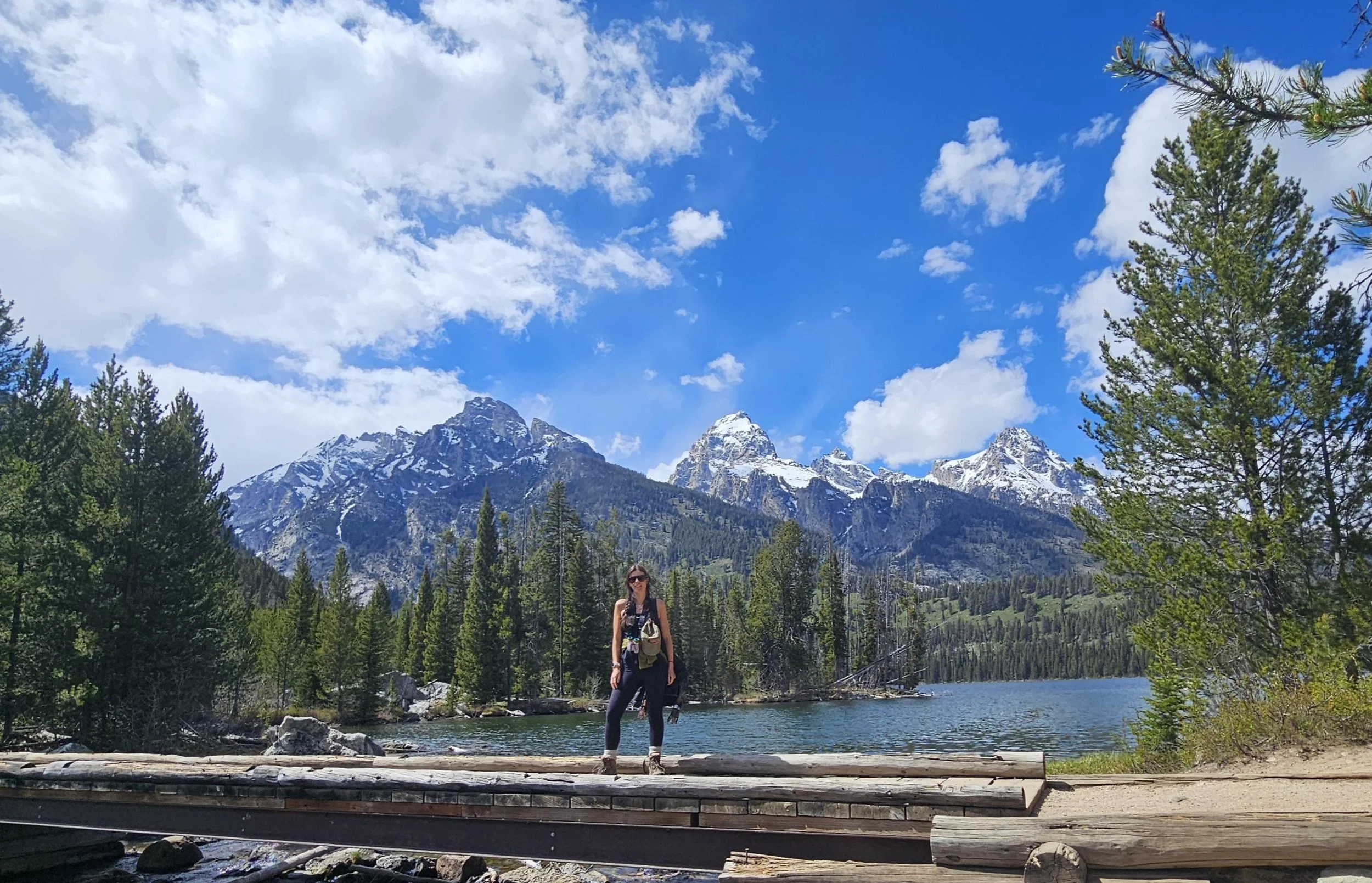
Natalie on a hike at Taggart Lake, Wyoming, on her honeymoon
A quote from Natalie on her recovery journey:
“You realise you are no longer climbing the mountain, you are the mountain.”