
Carolyn’s Story
Carolyn from Skegness talked to us about how she flipped her thinking.
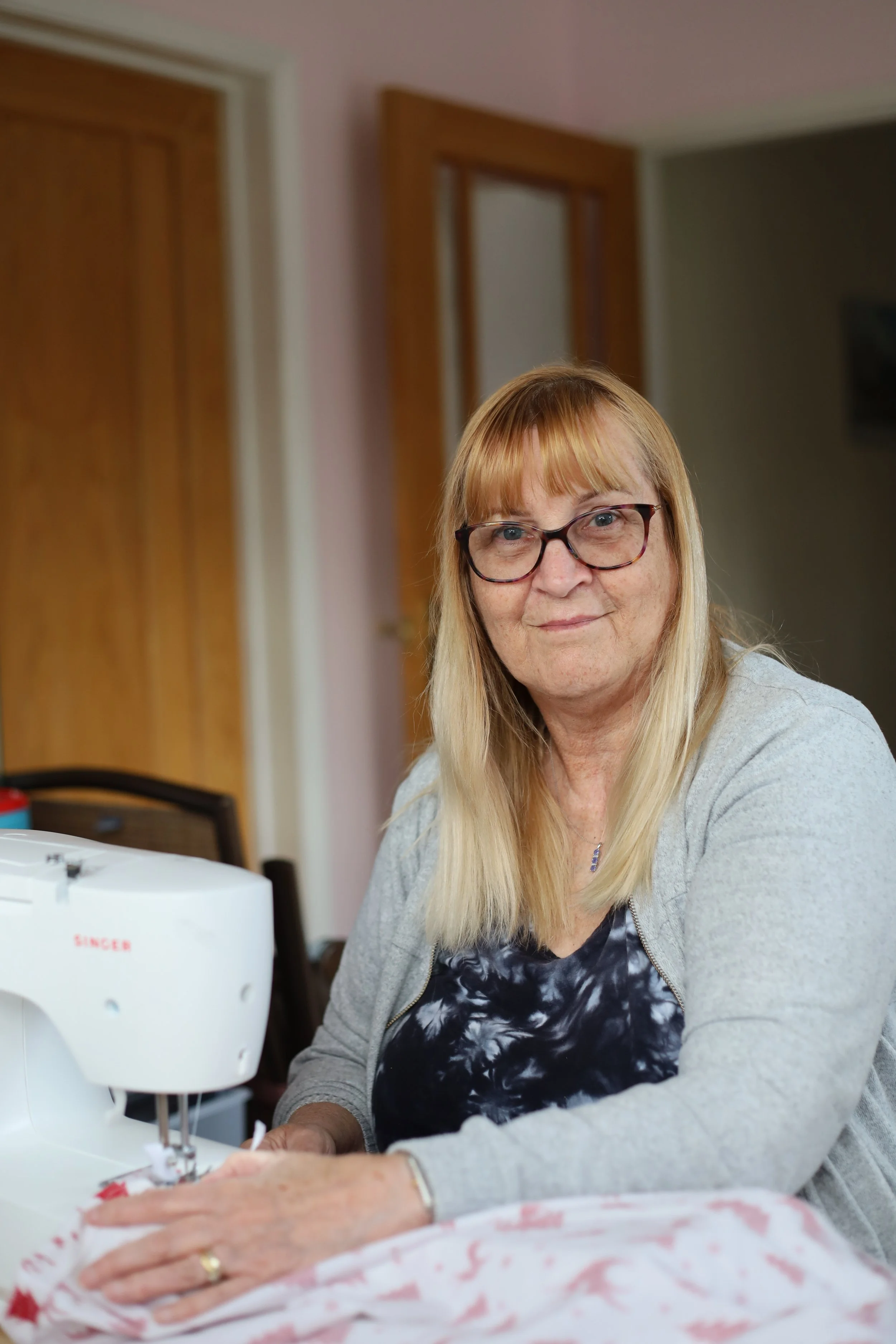
“Living with pain was very isolating. I used to worry that my family might start to think I was putting it on or exaggerating how bad my pain was.
“When my pain was at its worst, I didn’t go out much. I didn’t want to go in the car because of the bouncing: it was just so uncomfortable. I wanted to do classes like Tai Chi, but pain stopped me. My friends were going for coffee and having lunches, but when you’re in pain you just don’t feel like you want to do that.
“I felt like I was going around in circles: I’d go to my GP who was just giving me stronger and stronger painkillers. I felt my body was just shutting down and my anxiety levels were very high.
“I was diagnosed with spina bifida and arthritis in my spine and my fingers. I was put on an anti-inflammatory medication called Naproxen.
“The Naproxen helped initially, but then I developed a separate illness and could no longer take them. After that, the pain started coming back. My back pain was ten times worse and my hands were killing me.
“I had stopped various activities for fear of being in pain. My art, holidays and walking. I avoided social events in case there was nowhere to sit, or the seating was not right. I went into protection mode.
“That’s when I thought, “I don’t want to live like this.” That was the turning point for me.
“I turned to a friend who was a holistic therapist for help. She taught me about being mindful, about gratitude diaries, journaling and affirmations and trying to create good habits. I practice daily, creating good habits that benefit me.
“I surround myself with positive people that don’t drain me of my energy. I like to think I have connected my brain to my body and they work with each other. So instead of waking up in the morning thinking, “oh God that hurts”, I’m thinking, “what am I going to do today?”.
“As well as changing my thoughts, I took steps to change the language I used. I still work on that because negative thoughts still come in. But now when they do, I focus on my breathing, which brings me back to being mindful. Not all beliefs and attitudes of our own and of those around us are helpful.
“When I practice meditation, I think about bringing heat to my body and I take the visualised warmth to my back and my fingers. I have found visualisation to be really powerful.
“I make the effort to at least three times a week to ring a friend and meet up, have fun, enjoy the day.
“I did my own research on pain management, looked at different approaches and decided I didn’t need to go to the GP.
“I believe that if I was the sort of person to just rely on the medics for my health and wellbeing, I would still be at the ‘woe is me’ stage.
“Yes I still have pain, but it doesn’t stop me doing things like it used to. The last couple of days it’s been particularly bad. I’m in the process of just trying to settle it down, so every day when I get up I visualise myself walking along the beach, free of pain, feeling the warmth on my face from the sun. That sets me up at least for the morning. I give myself tasks to do. I find that if I can distract myself from the pain then when I’m finished, things are a lot easier.
“Now I understand more about pain, that it’s your body protecting you. Imagine a car engine: if you don’t know how the car engine works then if it breaks down you don’t know what’s wrong with it. But by having an understanding of what it may be, knowing the mechanics helps you to understand how to change it.
“It’s a realisation that your brain is really, really powerful: you’re really, really powerful inside. Understanding that you can be more in control of your pain can make such a big difference.
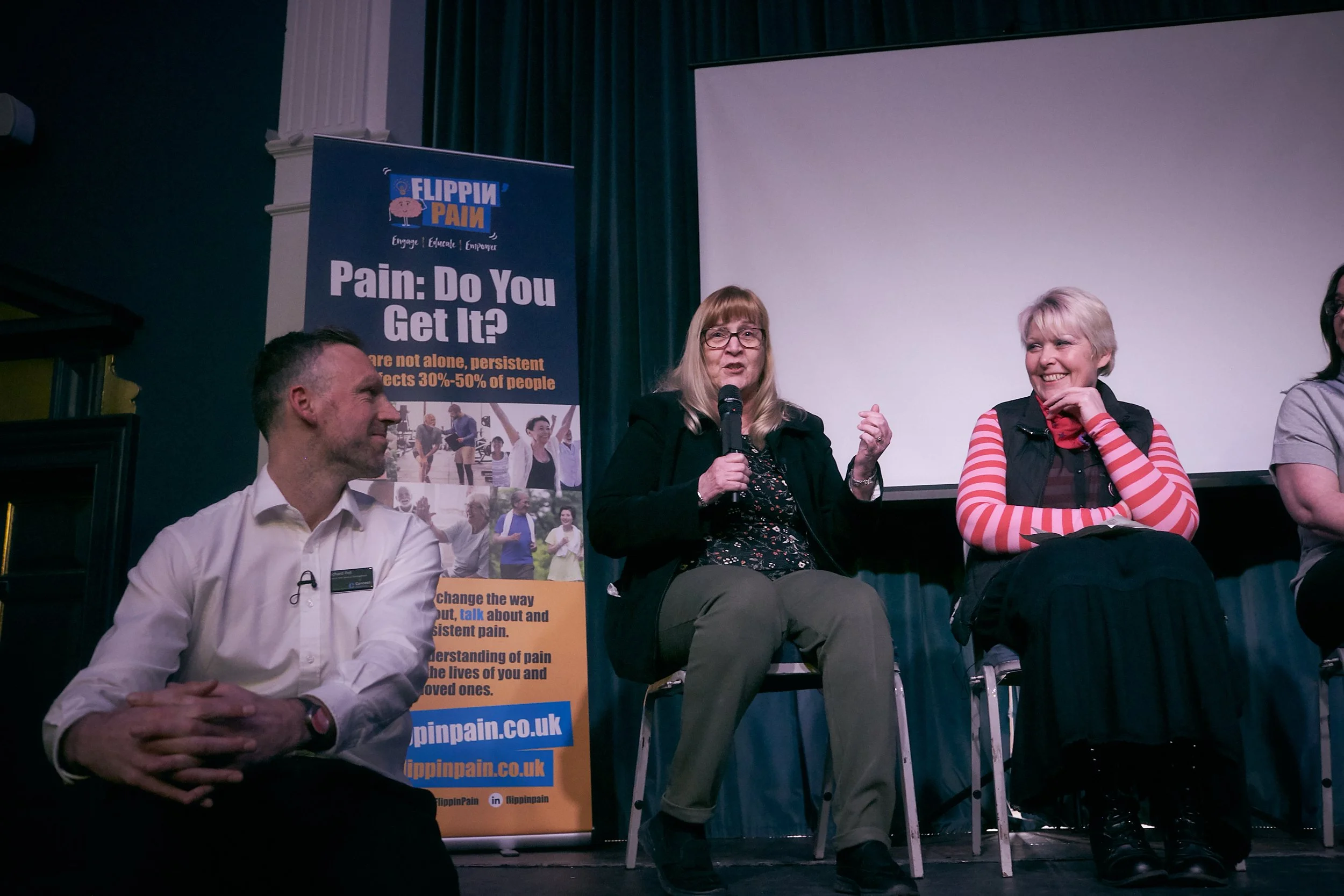
“I would encourage anyone struggling with managing persistent pain to take steps towards taking control.
“Don’t expect the medics to have all the answers to fix you. Seek out knowledge: educate yourself so you can help yourself.
“Without understanding, you’re just floundering. I think that’s the biggest thing. Understand that you are in control of what you think and feel.
“If you switch your words, you can change. The words you use are potent. Which is going to benefit you more: the positive or the negative? I’ve stopped mixing with negative people because I felt so drained and it affected my pain.
“I also find it useful to write things down. When you write things down it’s real, it’s not just in your head. It’s there in black and white. It’s really powerful to see the written word.
“That’s also why reading is so important. Get a book out the library. Lower your stress levels. Go on YouTube and look for videos that are motivational. Look at videos that other people have put up about how they manage their pain. Talk to other people in pain and find out what they’ve done.”