
Linda’s Story
Linda was worried that arthritis was making her life much smaller.
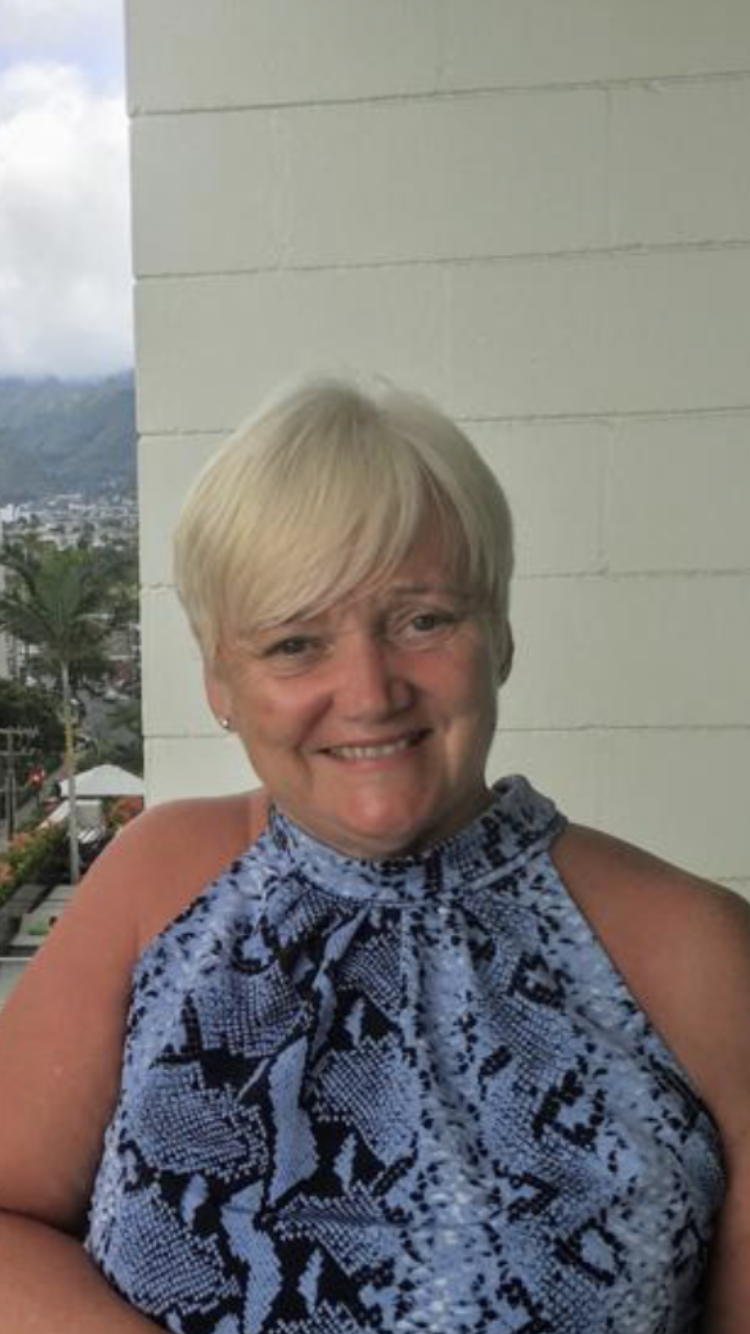
I was told I had osteoarthritis in my right knee and moving forward I would need to manage it with anti-inflammatories, painkillers and physiotherapy until the stage where I would need surgery.
“In 2015, I started to get pain in my knee, which I initially ignored because I thought it was an injury that would go away. But it became more frequent, so I went to see my GP who sent me for x-rays. Basically, I was told that this pain would be for the rest of my life. I was advised to lose weight, which I already knew: but imagine people constantly telling you that, when all you feel at that moment is pain. I did go to see a physiotherapist, but I didn’t feel like it make a great difference to be honest, so I just continued with over the counter medication for the pain and more or less managed it myself. There were periods when it wasn’t too bad and there were times when it was quite painful.
“At that point I still went to yoga, which helped with both strength and pain. But as I got a bit older, I stopped exercising. That was partly because of pain and partly because I was worried about aggravating the arthritis. In late 2016, I had my first grandchild and that made me much more aware of my lack of mobility because I couldn’t easily get up and down off the floor with her.
I remember thinking, ‘this is it: I’m not going to get any better than this’.
“I’m not going to be able to go on holiday again, for walks or shopping, play with my grandchildren or dance. I felt awful. I’m only 64 but I felt old. I kept taking painkillers to take the edge off up until December 2022 when I was at Glasgow Christmas Market and I injured my other knee. I have no idea how it happened, but I was in so much pain. I had an x-ray on my knee that night at A&E and the nurse said “it’s bone on bone”. This confused me as I had never suffered any pain in that knee prior to the injury. I was given crutches, an exercise handout and painkillers and was sent home.
“I felt low and concerned about my future mobility. I learned I had an acute cartilage injury through a later MRI and that I may experience flare ups at various times. I was attending physio for this knee injury and was given the opportunity to attend an osteoarthritis group that ran on Wednesdays. I met Wendy, a Physiotherapy Assistant Practitioner, at the group and she put me onto Flippin’ Pain where I checked out the arthritis webinars.
I have to be honest, it completely changed my viewpoint on arthritis and ‘bone on bone’ and exercise.
“I learned about DIMS and SIMS (Danger In Me and Safety In Me): that certainly changed my outlook. Now I think, what is a risk for me, and how can I come back from that?
“One section spoke about astronauts who don’t use their strength or cartilage when they’re weightless in outer space and so to combat that, when they come back, they go straight in and exercise to build it up again. I realised that’s what I needed to do with my knee. I was also interested to hear that body fat increases inflammation in the body and can make osteoarthritis pain worse. I had been making progress with my physio exercises
but when that stopped, I wasn’t doing the exercises as regularly as before and the pain had increased. I started them up again and thought more about exercise.
“I watched the second webinar on exercise and there was a man talking about how he built up his level of exercise to be able to do the Camino Trail in Spain. I said to my husband, right: we’re going to set a target, and I’m going to go walking for a minimum of fifteen minutes, three times a week, and build up.
“I find the first few minutes of walking is stiff and sore, but after a walk it eases again. I plan to walk on my upcoming holidays and looking after my grandchildren once a week keeps me busy. I have a friend who I walk with, and we’re going to get back into walking through the local park.
Initially I thought that if I was going to walk for exercise, I’d need to go out for about an hour.
“But that would have been painful: not just for my knees but probably my hips as well. Ot wouldn’t have been successful, because I’d have come back thinking it just wasn’t worth it. Now I’m setting a small target over a length of time: I’ve changed my mindset.
“Before arthritis, my life was full: I would be shopping, going for walks, going on holiday, up dancing at social events. After my diagnosis, all I could see was my life getting smaller and smaller until I was eventually living in just in one room.
“I was even considering cancelling a weekend in Amsterdam as I just couldn’t imagine how I would manage it. But I took my physio’s advice, and ended up having a lovely time there with friends. I thought I’d never do any of these things again because they might make my knee worse. Now I know it’s the very opposite: the more exercise you do, the stronger your joints become. That surprised me!
I thought I’d definitely end up having surgery because I was told my knee wouldn’t get any better.
“But I’m aware that many people have knee replacements and still have pain. I think the outcome depends not only on your surgeon, but the aftercare and the work you put in. For me, it’s not worth the risk and I want to hold off having surgery for as long as I can.
My advice for anyone in my situation with arthritis would be: if you want to lead an active life and be as active as you possibly can be, you need to start now.
“Don’t make the mistake that I made and stop your exercises because of arthritis. Keep going and keep positive. I have booked a holiday for the end of this year and I know I can do it with strategies to help me manage the flight. I’m still very cautious about my movements and although my pain is not as bad, I’m still aware of it. From a mental health point of view, I feel this is something I have to be mindful of moving forward. When my knee pain is bad I still feel low, but I know that the pain will ease again. Feeling low mentally is one of my DIMS (Danger In Me) and how I manage it is my SIM (Safety In Me).
“I retire next year. My long term goal for retirement is to get healthier, get a bit thinner and then my husband and I can enjoy a longer retirement together. That’s my plan and my goal: to lead a healthier retirement.
“I’ve gone from feeling depressed about my future with arthritis, thinking I’d end up needing sticks or crutches or a wheelchair, to feeling much more positive about the future.”